Should You Hire a Lactation Consultant? Here’s What I Wish Every Pregnant Mom Knew
If you’re pregnant and planning to breastfeed, you’ve probably told yourself some version of: “I’ll figure it out when the baby gets here.” Maybe a friend offered to help. Maybe you’ve watched a few YouTube videos. Maybe you’re just hoping it’ll click once you’re holding your baby for the first time.
Here’s the truth from someone who’s been on both sides of this: as a nurse who worked in hospital postpartum units, and now as a Board Certified Lactation Consultant— most of the struggles I see weren’t inevitable. They were just unknown.
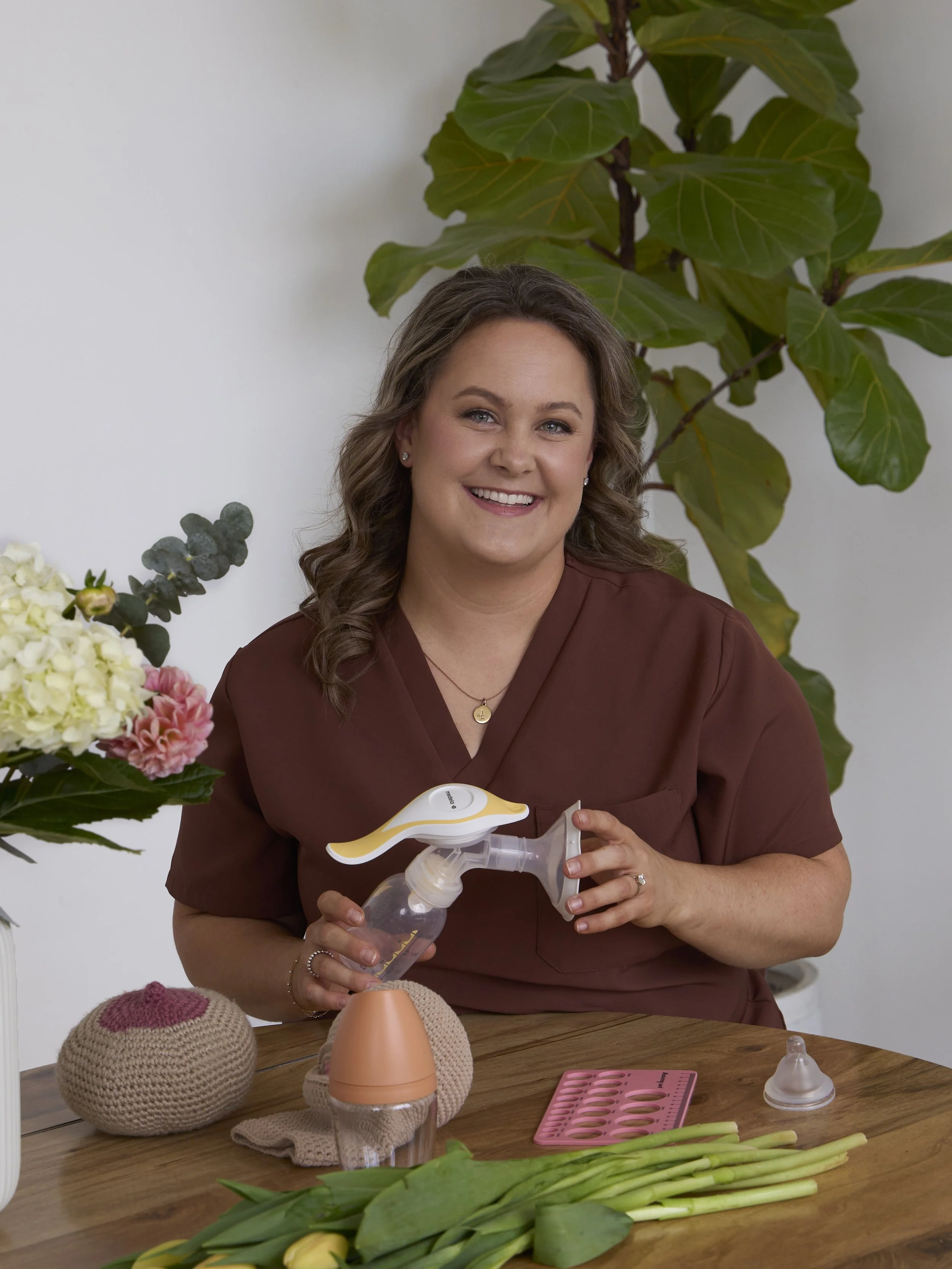
The pain, the spit-up, and the flange nobody told her about.
I want to tell you about a mom I worked with — I’ll call her J. By the time I met her, she had already ‘given up’ on breastfeeding. Not because she didn’t want to, but because every feed and every pump session was so painful. She was exhausted, in pain, and dreading the next session before the last one had even ended.
Her baby had constant gas, frequent spit-up after feeds, and a list of other symptoms that everyone — including J — had chalked up to “just how some babies are.” She thankfully visited a chiropractor, who specialized in infants and understood oral restrictions. She was the first to raise the idea that the baby might have a tongue tie. That led her to a dentist, which is where our paths crossed.
After the tongue tie release, things started shifting almost immediately — less spit-up, no more leaking during bottle feeds, a visibly more comfortable baby. But J was still struggling with pumping, and that’s where we dug in further.
She was using a 17mm flange — which is definitely better then the 24mm (it comes with). When I measured her, the right fit was actually 13-14mm on both sides. That’s not a typo, and it’s not a one-off. It’s incredibly common. The size of 1mm looks very small but can make the world of a difference.
Why flange size matters more than almost anyone realizes
Here’s something that surprised even me when I first learned it: hospitals typically send new parents home with a 24mm flange, full stop. No measuring, no fitting — just a standard size that goes in the discharge bag.
I worked in a hospital as a nurse. I didn’t even know other sizes existed until I left that job and went deeper into feeding support/education out of the hospital. If a nurse on the floor didn’t know, how would a brand-new parent — three days postpartum, running on no sleep — ever find out?
The wrong flange size can mean:
• Pain and discomfort with every pump session
• Nipple damage from friction or excessive pulling
• Reduced milk output, because the pump isn’t actually working efficiently for your anatomy
•. Over-reactive letdown (causing milk to come out more forcefully when baby starts sucking
• A pumping experience so unpleasant that parents give up on it entirely
For J, going from 17mm to 14mm — paired with a bit of lubricant — was the difference between dreading every pump and finally feeling like pumping was manageable. Her output improved. Her pain decreased. Her nipples finally could heal. And because she had finally found a formula that worked for her baby in the meantime, she no longer felt the pressure to “make enough” through pumping alone like she was doing for months— she could approach it from a place of choice rather than panic.
One more thing pump manufacturers won’t tell you: your flange size can change over time. What fits at two weeks postpartum may not fit at two months. Tissue changes, hormones fluctuate, supply changes, and your body adjusts. Learning how to measure yourself (or having someone show you how) means you can catch this shift before it turns into pain or a supply dip — instead of writing it off as “just how pumping feels.”
It’s not just about the flange — it’s about the whole setup
While we were working together, I also found that J was using a wearable pump for every single session. Wearable pumps are great tools, but they’re generally recommended for 1-2 sessions a day, not as your primary pump. We switched her to a primary pump as her main tool, with a flange shape better suited to her breast — and that adjustment alone made a noticeable difference in both comfort and output.
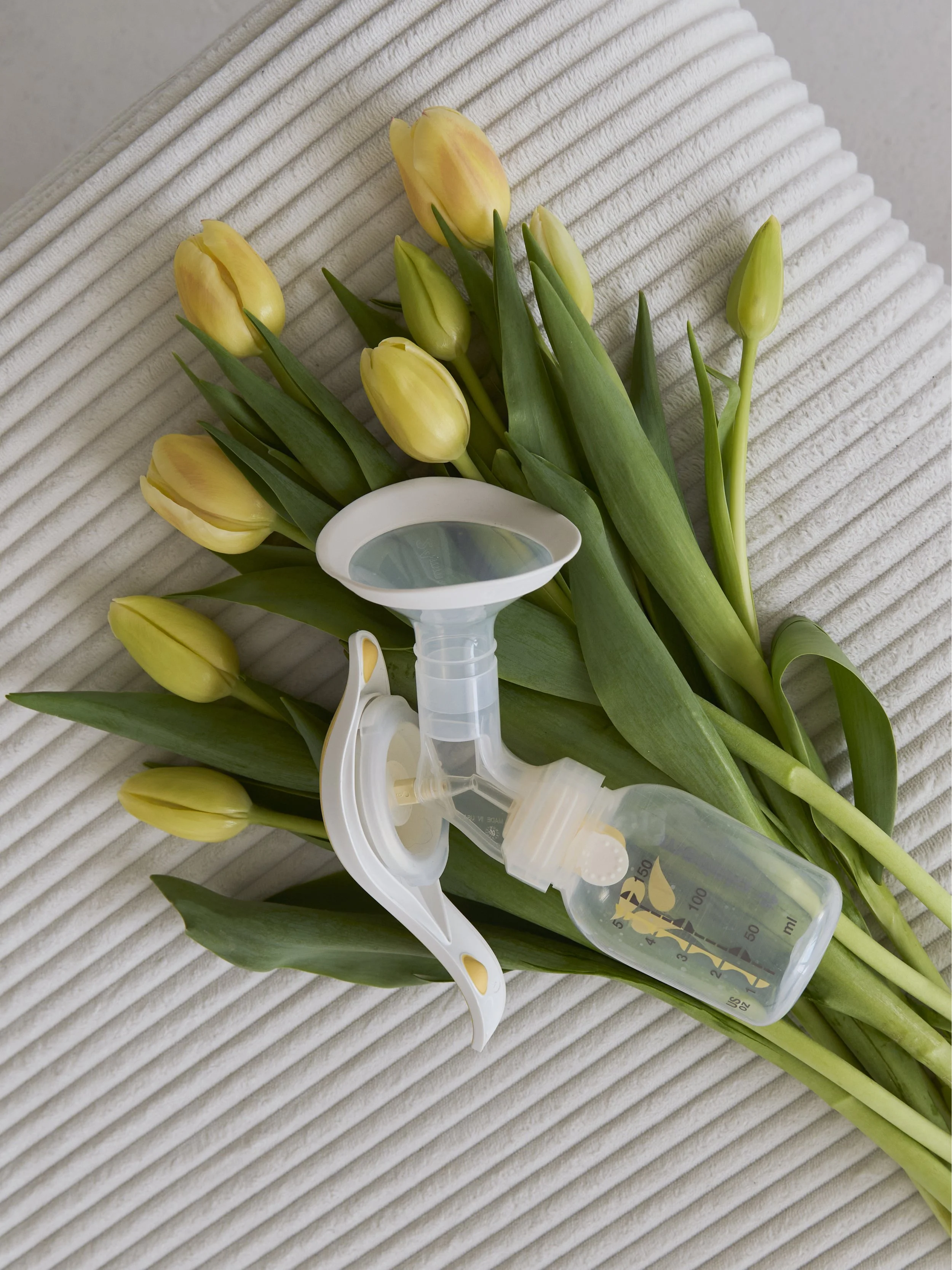
None of this was something J could have known to ask about. Not because she wasn’t paying attention, but because these aren’t things parents are told to even look for or even commonly known amoung healthcare professionals.
So — should you hire a lactation consultant?
If you’re waiting until something goes wrong, you’re already playing catch-up. The parents I see who have the smoothest start aren’t the ones who never hit a bump — they’re the ones who had someone in their corner before the bump became a crisis.
That’s exactly why I created the Full Bloom package — private, expert feeding support that starts during pregnancy and continues through your early months at home.
Here’s what it includes:
• A virtual prenatal session, so you walk into delivery informed, calm, and with a plan — not guessing
• Four in-home visits, covering everything from latch and intake in the first days, to weight checks and care plan adjustments, to bottle-feeding and pumping support (including flange fit!)
• 24/7 private chat support until your baby is three months old — so instead of Googling symptoms at 3am, you have a real person who actually knows your feeding history
This isn’t about assuming something will go wrong. It’s about not leaving your feeding journey up to chance — and not finding out about things like flange sizing the hard way, months in, after weeks of unnecessary pain and altering your feeding plan because of something that could have been avoided.
You deserve support that meets you where you are — before baby arrives, and through every step after. If that sounds like what you’ve been looking for, book your Full Bloom Package and let’s build your plan together.