So many parents are told early on that they aren’t making enough. And too often, formula becomes the default top-up without anyone explaining the options.
I’m not against formula. Sometimes it’s medically needed, and sometimes it’s simply the right choice for your family. Both are valid. What I want is for that choice to be made with real information and support, not fear.
So let’s talk about what a top-up actually is, when it helps, and how to give one in a way that protects your breastfeeding goals.
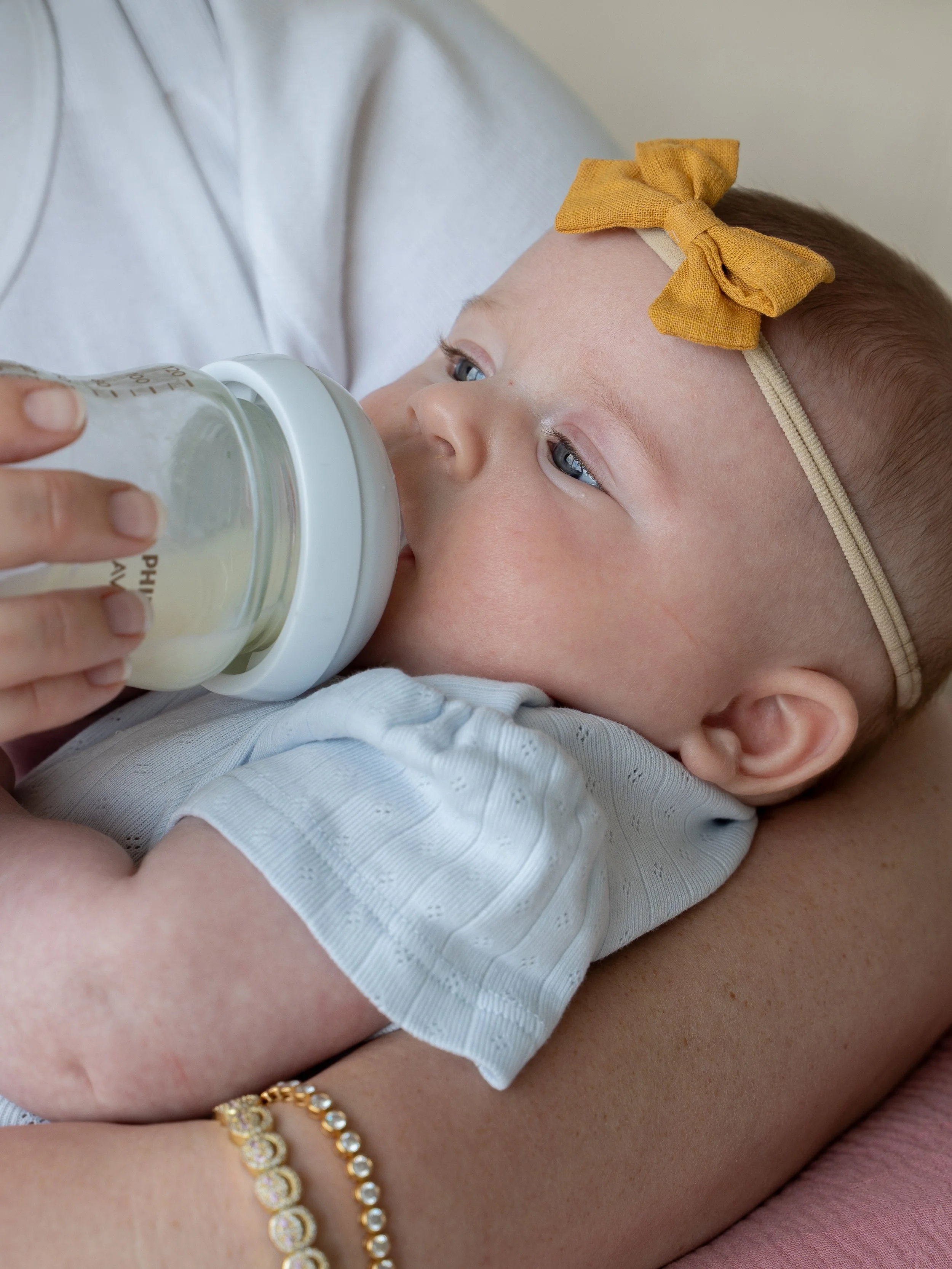
What is a top-up?
A top-up is extra milk given after a breastfeed, or sometimes instead of one, when your baby needs a little more than they’re getting at the breast right now.
Notice the words “right now.” “Top-up” describes the extra feed, not what’s in it. It doesn’t automatically mean formula, and it doesn’t mean breastfeeding has failed.
It’s often temporary. Many top-ups can be reduced as feeding improves.
It can be your own milk. Expressed milk is the first choice whenever it’s available.
It works best with a plan. How much, how often and when to cut back depend on your baby’s weight, their diapers and your supply. There’s no one magic number.
When does a top-up help?
A top-up may help when:
Your baby’s weight loss or gain is outside what your care team expects
There are fewer wet or dirty diapers than expected
Your baby is very sleepy and not feeding effectively
You’re separated from your baby, or the latch isn’t working yet
If your baby needs a top-up for medical reasons, always follow your baby’s care provider.
When it’s usually okay to wait
This is where a lot of fear comes in. These things are usually not a reason to top up on their own:
Cluster feeding in the evenings
Breasts feeling softer after the first few weeks
A baby who wants to feed often
Not being able to see how much your baby drank
All of these are normal newborn behaviour, but they often get read as “not enough milk.” Look at the whole picture: diapers, weight and how feeding is going overall, rather than one fussy evening.
Not sure which one you’re seeing? That’s a great time to have someone take a look. Not because something’s wrong, but because catching it early can save you weeks.
Your milk first
When a top-up is needed, here’s the order I walk families through: your own milk first, then screened donor milk, then formula, when it’s needed or when it’s truly what you want.
This isn’t a ranking of good parents and bad parents. It’s simply the order that best protects your breastfeeding goals, if those are your goals.
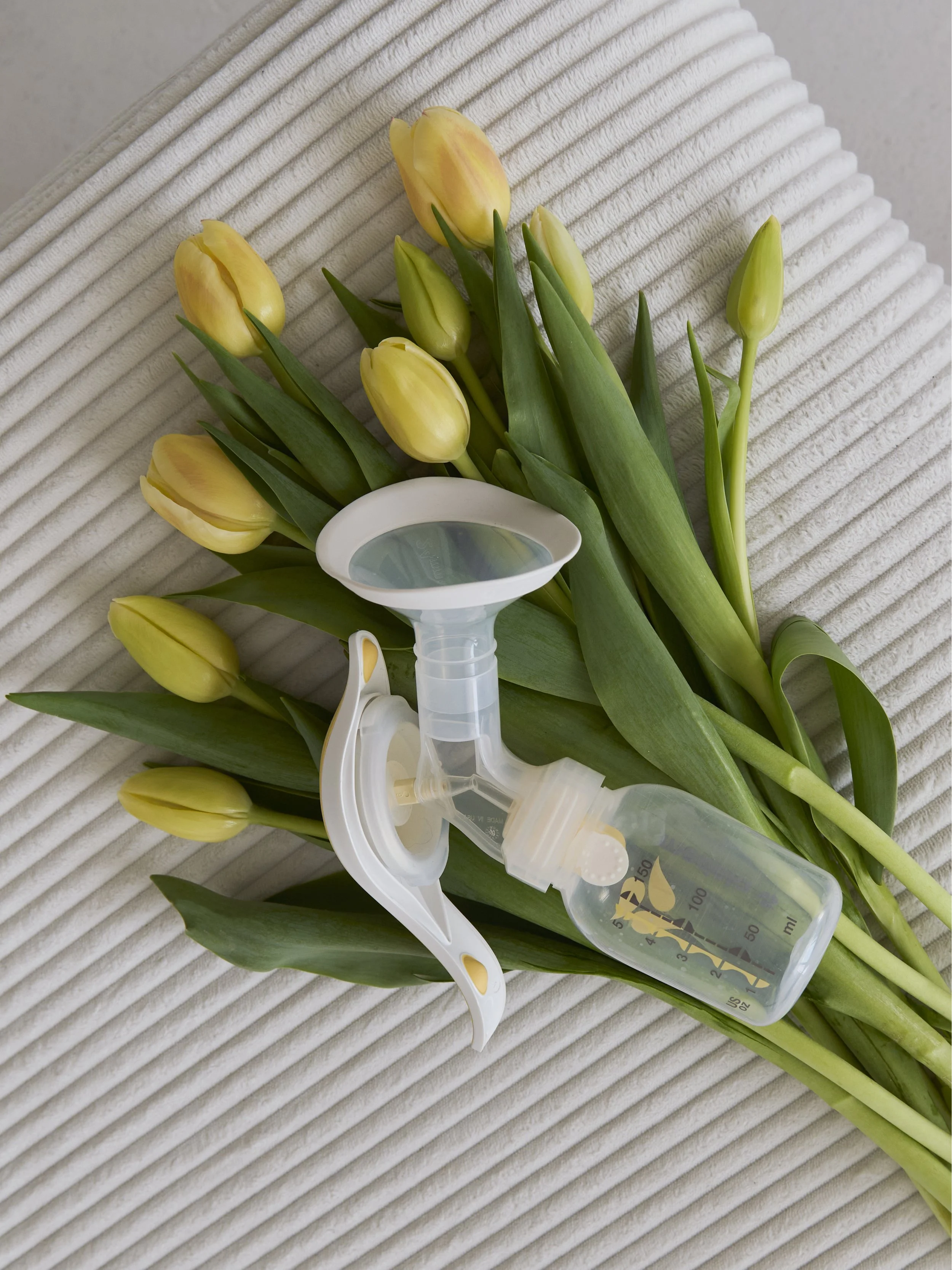
Getting your own milk for top-ups
Hand expression is ideal for colostrum, the thick early milk of the first few days. It comes in small drops, and it’s much easier to collect on a spoon or in a syringe than with a pump.
Pumping helps when your baby can’t feed well yet, or to build your supply alongside top-ups. The right flange fit makes a big difference here.
Collecting colostrum in pregnancy lets some parents have a small stash ready in the freezer. It isn’t right for everyone, so ask your care provider whether it’s right for you.
Screened donor milk
Screened donor milk comes from a milk bank where both the donors and the milk are screened. Ask your care team what’s available to you.
A bottle isn’t the only way to top up
Syringe or finger feeding works well for small amounts in the early days. Your baby sucks on a clean finger, and you give a little milk only while they’re actively sucking. Baby sets the pace.
Spoon feeding is perfect for hand-expressed colostrum drops. Simple, but slow for bigger amounts.
Cup feeding is good for larger amounts without a bottle. Hold baby upright, rest the cup on their lower lip and tip it just until the milk touches. Let baby sip or lap, and never pour.
An at-breast supplementer gives the top-up while your baby is at the breast, through fine tubing that sits along your nipple. Baby gets milk while their sucking also builds your supply. It takes practice, and most families need hands-on help the first time.
Paced bottle feeding works for ongoing top-ups, or when a partner is helping. Use a slow-flow nipple, keep baby upright, hold the bottle closer to horizontal, and tip it down to let baby pause. Using a bottle doesn’t mean giving up on breastfeeding. It’s all about how you give it.
Topping up without losing ground
Each top-up is a feed your breasts didn’t get, so removing milk at those times matters.
Offer the breast first. Unless your care team advises otherwise, the top-up comes after time at the breast.
Express when you top up. Pumping or hand expressing tells your body to keep making milk.
Keep feeds frequent. Aim for 8 or more feeds in 24 hours, with plenty of skin-to-skin.
Plan to wean the top-up. With support, many top-ups can be reduced as feeding improves. A written plan helps: how much, how often and when to reassess.
When to call your baby’s care provider
Fewer wet or dirty diapers than expected for their age
Your baby is very sleepy and hard to wake for feeds
Yellow skin or eyes are getting deeper
Your baby isn’t back to birth weight by about two weeks
Feeding is painful and isn’t getting better
This isn’t meant to scare you. It’s meant to help you feel confident about when to reach out. For feeding support along the way, an IBCLC can help you build a plan alongside your care provider.
You deserve a plan, not a guess
Every baby’s top-up plan looks a little different, and that’s the part I help families with.
What I’ve seen with the families I work with is this: families who have support lined up before baby arrives tend to get through the challenges with less stress. When something comes up, and something usually does, they already have someone in their corner who knows them and helps them make informed decisions instead of scared ones.
Expecting? Take a look at my support for expecting mamas. Already feeding and been told your baby needs a top-up? In-home postpartum support can help you build a plan that fits your baby.
📍 I support families across Durham Region with home visits and virtual appointments.
💬 Questions about top-ups? Send me a message. I’m happy to talk it through.
General information only, not medical advice. Every baby is different.