When I worked on the postpartum unit, we had one flange size. So that’s the one everyone got.
That was it.
I didn’t know flanges came in other sizes and shapes. I didn’t know the sizing guide on the pump box is often out of date. And when a parent told me pumping hurt, they usually heard, “That’s normal. You’ll get used to it.” And that was the end of the conversation.
Here’s what I know now
Pumping shouldn’t hurt. The flange is the funnel-shaped part of your pump that sits over your nipple, and the fit matters. When it’s the wrong size or shape, pumping can feel uncomfortable, and it can affect how well milk is removed. Over time, that can affect you and your supply.
Flanges aren’t one size fits all. They come in different sizes and shapes, and the one that came in the box is just a starting point.
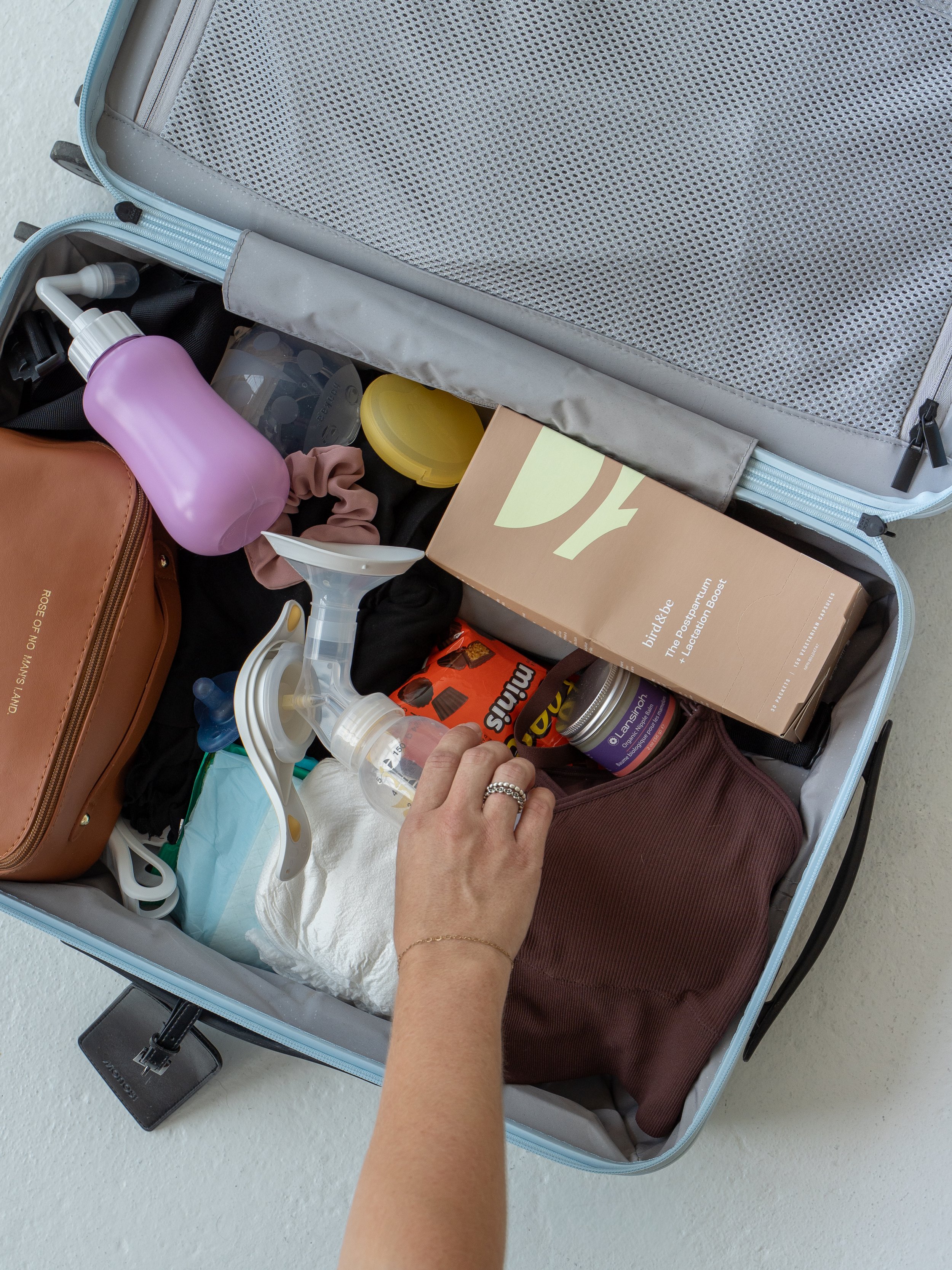
This isn’t about nurses not caring
We cared a lot. But one size was what we had on the unit, and no one taught us there was more to it. So that’s what we handed out.
The sizing guide on the box
Most pumps come with a sizing guide on the box or in the instructions. Here’s the thing. It’s often out of date, so it isn’t always a reliable way to find your fit. I didn’t know that either.
Signs your flange might not fit
Rubbing or discomfort while you pump
Your nipple isn’t drawing fully into the tunnel of the flange
Nipple damage, like cracks or soreness that doesn’t settle
A drop in how much milk you’re getting
If you’re noticing any of these, it’s worth looking at your fit before assuming something else is wrong.
Fit, not just size
This is the biggest shift in how I work. Now I check the fit, not just the size on the box. I look at how the flange sits, how pumping feels for you, and how your sessions are going. Then we find the flange that actually works for you.
Still pregnant and planning to pump? Save this for later, and take a look at my support for expecting mamas.
If something feels off, trust that
You don’t have to push through it. Pain, nipple damage and a dip in supply are all worth asking about, even if you’ve been told it’s normal.
📍 I support families across Durham Region with home visits and virtual appointments.
💬 Pumping doesn’t feel right? Send me a message. I’m happy to talk it through.